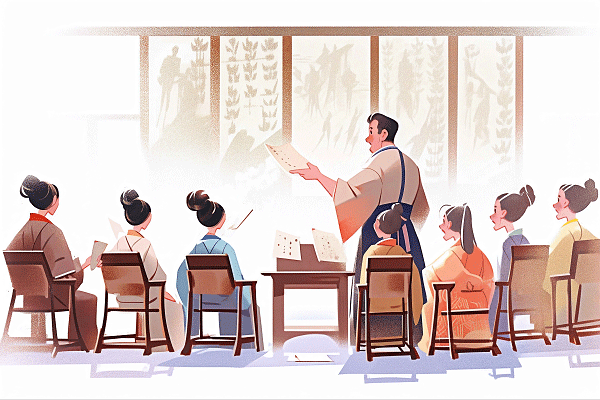
#小学英语# 导语海阔凭你跃,天高任你飞。愿你信心满满,尽展聪明才智;妙笔生花,谱下锦绣第几篇。学习的敌人是自己的知足,要使自己学一点东西,必需从不自满开始。以下是 无 为大家整理的《小学五年级英语说课稿五篇》 供您查阅。
第一篇: I like…评课

褚岑老师的这堂展示课是比较成功的一节课, 备课思路正确, 过程的安排符合小学生的认知规律, 直观教具的使用充分得当, 给学生留下了比较深刻的印象。
教师整节课能用英语组织教学,语言清晰,表达准确,直接体现了老师扎实的基本功素养。英语歌曲是提高学生英语学习兴趣和学习效率的有效方法之一。课堂开始先请大家Sing a song 动听的英语歌曲既能感染学生,又能调动学生的情绪,让学生进入英语氛围。
Unit4这一单元的新单词是学生感兴趣的玩具类名词。老师抓住这一特点巧妙的把玩具的实物模型展示在课堂上以此来吸引学生。让学生直接感受真实的玩具强化记忆所对应的单词。这样有助于学生快速形象的把所学的单词掌握。同时,也通过个别朗读,开火车等形式使每一个学生更好的在课堂上掌握新学的内容。在学习单词的同时又穿插了句型。又通过玩游戏“大声”“小声”的形式集中学生的注意力。又创新的把所学的新内容总结复习了一遍。接着又出示,由学生回忆所学的单词。
整堂课思路清晰,教学目标明确,让学生在轻松愉快的过程中获得了新的知识。
第二篇:What would you like
一 说教材:新英语课程标准指出,基础教育阶段英语课程的总体目标是培养学生的综合语言运用能力。而综合语言运用能力又以学生语言技能、语言知识、情感态度、学习策略和文化意识五个方面的综合素养为基础。
《新课标》倡导任务型教学模式,即让学生在教学活动中参与和完成真实的教学任务,从中体验学习的快乐。因此我采用“任务——探究——创造”型教学方法,让学生在有趣,开放式的语言环境中,学会观察,思考,讨论和总结,在“用”中发展思维能力、创新意识和各种语言应用能力。我说课的内容是第十一课的第一课时。这是一节情景对话课,围绕“征询意见”这一日常用语展开。在第三课中,学生已经能用“ would you like some…?”进行询问。能听懂会说chicken,pop, milk, a sandwich。本课时的教学内容为用“What would you like?”进行征询意见。根据这一安排和学生的整体认识水平,从知识教学、能力培养等方面考虑,我确立本课时的教学目标为:
1、知识目标: 能听懂会说I'm hungry. What would you like Yes, I'd like……
2、能力目标: 听懂会说hamburger、French fries、pizza、pop。
3、情感目标: 能运用所学句型进行对话表演和口语交际,激发学生学习英语的兴趣,培养学生的英语学习能力。
4 本课时的教学重点是:能听懂会说 I'm hungry. What would you like No, I'd like……听懂会说hamburger、French fries、pizza、pop。教学难点是能用“What would you like?”征询别人意见以及hamburger, French fries的正确发音。
5 学情分析: 由于学生已学过类似的对话,我打算以对话的形式讲授新知识。
6 教具准备: 录音机,卡片,多媒体
二教学方法:
讨论法,讲授法,演示法,练习法
三教学程序:
为实现以上目标,我是这样设计教学过程的:
(一)、Warming up
1、Sing some songs.
2、Play a game.快速呈现食物,做问答。
(通过唱唱、问答的形式,不仅吸引学生的注意力,调动积极性,而且营造了学习英语的氛围。同时也为本课的教学作了知识的铺垫,构建了知识表象。)
(二)、Revision
(紧接着教师摸着肚子,作饥饿状)引导学生一起说出I'm hungry,围绕呈现的快速对话。
(以对话的形式,唤起学生的记忆,使学生熟练运用旧知,同时对I'm hungry进行了渗透。)
(三)、Presentation
1、依次呈现some bread、some juice的。
T: Would you like some bread
S: Yes, please
2、T: I'm thirsty.(教师作干渴状,引导学生边做边说I'm thirsty.)
T: Would you like some juice
S: Yes,please.
T: Here you are.
通过已掌握的句型新授hamburger, French fries pizza ,pop。
(利用旧知,在已熟练了的交际语境中学习新单词,同时配以相应的,加深了对单词的理解,也降低了难度。并即使由师生操练转向生生操练,由模仿提高到运用,这符合学生的认知规律。)
3、(呈现以上四幅新授)Make out some dialogues.
(将单词融进有实际意义的对话中,充分体现在交际中教,在运用中学的理念,通过这种方式便于学生的理解和运用。)
4、(请一名较突出的学生引导作干渴状):
S:I'm thirsty. I want to drink.
T: What would you like, please
S: I'd like some pop, please!
(教师作饥饿状):
T:I'm hungry. I want to eat.
S: What would you like, please
T: I'd like some French fries, please!
(在说的过程中予以加以配合,帮助理解;由模仿到练习,反复刺激学生的感官,增强学生对新知的理解和运用。)
(四)、Practise
1、Listen to the tape and read after the tape.
2、Act out the dialogue.
(在听读的过程中培养学生良好的学习习惯,通过演演的形式让学生在情景中练习达到掌握的目的。)
(五)、consolidation
1、Make a survey.
2、Who's the best
(师生示范表演为学生提供一个可操作的模式,以任务型的活动方式,通过合作学习,并予以评价知道,给学生提供平等的说英语的机会,鼓励学生在竞赛中学,这样既创造了轻松愉快、自然和谐的课堂气氛,又促进了交际活动的展开。通过“Apple Tree”的评价总结,让学生认识到集体目标的实现离不开个人的努力,激发其进一步追求成功的欲望。)
(六)、Homework
1、Read after the tape recording.
2、Make up a dialogue in pairs.
(将课内的学习延伸到课外,维持学生的学习兴趣。)
第三篇:What’s this in English
我说课的内容是小学五年级英语下册第一单元Lesson1。本节课是新学期第一课从本节课开始将学习一些询问他人有关动物的表达法。本课的学习将会给本单元后几课的学习打下基础。我以“任务型”教学为纲领,结合“TPR”教学法,通过听,说,读,写,演,画,唱等一系列教学活动,培养学生的学习兴趣,鼓励同学们大胆运用英语参与实践并及时予以表扬和鼓励使他们获得学习英语的成就感和喜悦感。
下面,我先分析一下本课的教学目标。由于教学内容的加深,从五年级上册开始,每两课为一大课。单课为情景会话,双课为词汇与句子以及各种活动制作等。本课为第一课,根据《英语课程目标》提出基础教育阶段英语课程的总体目标是培养学生综合语言运用能力,结合这一目标要求,以及本册书的特点现将本课教学目标设计如下:
一:知识目标:
1:能够听,说What's this in English It's a cow.
Is that a cow over there No, we call it a calf.
What do you call it in English
We call it a foal.
2:能够听说并区分单词:horse和foal, cow和calf.
二:情感态度目标:
1)进一步提高学生对英语的学习热情,增强学习兴趣。
2)培养学生积极主动地参与课堂活动,大胆开口,主动模仿。
3)通过本课的学习培养学生爱护小动物的良好品质。
三:学习策略目标:
1)能够在学习和课堂活动中集中注意力15~20分钟。
2)通过本课的学习培养学生良好的观察力、对比能力并能区分不同动物的成年及幼崽。
四:文化意识目标:
注意汉英两种语言中对幼小动物的不同称呼方式:英语中很多小动物有专有的名称作称呼,而不是在名称前加“小”(small)。
结合本单元以及本课的教学目标,我把本课的重难点设定为:
1:重点 What's this in English It's a cow.
Is that a cow over there No, we call it a calf.
What do you call it in English
We call it a foal.
2:难点 horse与foal ,cow与calf.
要解决本课的重难点关键是要先让学生明白horse与foal ,cow与calf的区别。我采用了对比的方法先让学生明白同样是一种动物成年的与幼崽的英语表达方式是不一样的。经过一系列单词教学活动之后再通过围绕教材,设置语境——回到教材,强化感知——抛开教材,自由交际三个教学环节完成本课重难点。
以上是我对教材的分析,下面我对学生进行一下分析:
五年级的学生在此时对英语学习已经有了一定的经验并养成了良好的学习习惯,形成了有效的学习策略,他们对英语学习有着浓厚的兴趣。他们渴望获得更多的锻炼机会。因此“采用活动途径,倡导体验参与”将是本课的主要学习方法。
下面我就将本课的教法与学法进行一下分析:
为完成本课的教学任务,我采用的是以任务型教、学法为纲,“TPR”教学法与学习法贯穿全课程。根据《英语课程标准》中提出的“采用活动途径,倡导体验参与”的要求,结合儿童好玩,好动,好表演等特点,我把全班分成四个人一组的小组。每组同学的知识水平和性别各有参差。这样有助于学优生帮助学困生和男女同学平等相待增进友谊。在任务驱动型学习法过程中保证每位同学都参与进来,培养学生的团队精神和竞争意识。我设置了给单词找亲戚、画出听到的单词帮李燕认动物等活动旨在让他们在轻松愉快的行动中输入语言,让他们在做中学,在表演中学(Learning by doing/acting…),从而激发他们的学习兴趣,培养他们运用英语进行交际的能力。
最后我说一下我对本节课的教学程序的设计。
Step1 Revision 热身互动,自然导入。
在教学活动开始我设计了唱他们最爱唱的The more-
we get together活跃课堂气氛,学生在手舞足蹈的过程中不知不觉走入新课。布置任务帮李燕认动物。
Step2 Presentation 引入新知,层层突破。
在教授单词的时候我设置给单词找亲戚、画出听到的单词等活动包括了师生互动,生生互动,小组互动。我还将单词的学习与句子有机的结合起来。比如学习了horse之后,我说We call it a horse. What do you call it in English 在不断的重复与演示下让学生明白句子的含义,为下一步句子的学习打下伏笔。这样由单词逐步扩展到句子。在由句子扩展到其他的单词,培养学生的思考能力和运用英语的能力。
Step3 Practice 趣味操练,巩固新知
首先让学生听录音标号,然后跟读课文使学生读准语音,语调。最后小组操练并展示成果。旨在创设一种真实的语境,培养他们的兴趣并模仿外教的发音。
第四篇:At the weedends
一、教材分析
说课的内容是牛津小学英语5B的Unit 8,这个单元的核心内容是“周末活动”。本单元和Unit 4的What does he/she usually do on Sundays He/She usually …有一定联系,通过周末活动引出本单元的四会内容和昆虫名称。涉及的句型有:How do you spend your weekends How does he/she spend his/her weekends
二、教学策略
新课程强调从学生的学习兴趣、生活经验和认识水平出发,倡导体验、实践、参与、合作与交流的学习方式和任务型的教学途径达到发展学生对语言的综合运用能力。为了到达教学目标,落实教学重点、化解教学难点,本堂课借助flash:do you have any hobbies?复习平时的活动;借助一些小奖品,如塑封的蝴蝶,螳螂等,激发学生的兴趣,同时也为下节课昆虫的教学打下基础。我借助多媒体课件化解难点。在整个教学中,我注意师生的互动,从唱-游戏-对话-猜谜等活动完成了本课的教学任务。
三、教学目标
新课程强调知识与技能、过程与方法、情感态度与价值观三个角度的有机结合,本着这样的认识,我对本课设计了如下教学目标:
1.
情感目标:通过活动、游戏学生能产生学习英语的兴趣;学生能敢于、乐于、善于开口讲英语,积极参与交流,树立学好英语的信心。
2.认知目标
(1)、四会掌握词组:at the weekends learn from 三会词组 of course catch insects watch cartoons 等以前学过的词组。
(2)、句型:How do you spend your weekends I often
How does he spend his weekends He often…
How does she spends her weekends She often…
(3)、能听读课文并理解熟读。
3.能力目标:学生能用英语进行生活交际,了解同学和家人的平时活动。同时通过调查让学生体会合作的重要性。
四、教学重点、难点
1. 教学重点是学生能听说读写单词词组(weekends.,at the weekends learn from能运用How do you spend your weekends How does he/she spend his/her weekends 进行交际。
2.教学难点是catch insects这个三会词组的发音。通过第一人称的练习转化到第三人称单数。
五、教具、学具准备
1. 教具:电脑、塑封好的昆虫、单词卡片
2. 学具:学生自备各种形状的实物。
六、教学过程
1.歌曲激趣,营造氛围
英语歌曲是提高学生英语学习兴趣和学习效率的有效方法之一。“Do you have any hobbies ”这首活泼的歌曲既能感染学生,调动学生的情绪,歌词中的词组如:watch TV grow flowers take photos等又能为新课学习作铺垫,自然导入新课。
2.联系实际,学习新知
小学高年级学生仍以形象直观思维为主。所以,我一开始利用学生常用的报数让学生自然引出周六周日,然后老师示范说weekend ,说得出的奖励一些塑封的小昆虫,然后自然引出词组catch insects既是对学会新单词的 鼓励,又为第二课时的学习打下基础
3.趣味游戏,巩固掌握
从昆虫引出周末活动,从同桌之间的互问又引出第三人称单数的练习。为了巩固第三人称的练习,老师可以提供一些人物,让学生来猜一猜他们怎么过周末的。特别是当老师提供一些名人来猜时,学生感觉特别兴奋,那时他们的偶像呢?这个过程看似游戏,其实学生在不知不觉中对今天的句型在不断的操练。
4.,精选题型,适当练习
英语教学除了口头练习,也要注重写的练习。特别是到了高年级,学习内容更深了,学生一定要听说读写齐头并进,才能够掌握课堂知识,所以本课我设计了几个填空小练习,让学生对第三人称单数的人称变化和助动词的运用能自如的判断和正确的理解,错误的地方一起分析。
5.布置作业,学以致用
如何让今天的所学用到生活中去,刚才的练习只不过是一些机械性的操练,如何让学生运用到实际生活中去,我设计了一个调查表,让学生调查家人是怎么过周末和节日的,下节课交流,看谁的周末活动丰富,学生的任务明确了,任务能顺利完成了, 那我的本课的教学任务也完成了。
第五篇:Tasting说课
一、说教材。
1、教材的地位及作用。
本课主要学习了一些新的食物单词,要求掌握句型Taste this. It's sour/sweet. 本课是本单元的第二课,前一课已学习了What's this 这一句型,在这一课中又得到了巩固,在本单元中起着承上启下的作用。
2、教学目标的确定及其依据。
根据学生已有的认知基础及本课在单元中的地位及作用,依据小学英语教学的总体目标,确立本课的教学目标为:
(1) 能听懂会说本课的会话。
(2) 能较好地掌握本课句型Taste this . It's sour /sweet.
(3) 掌握有关食物的词汇。
3、教学重点与难点。
本课教学的重点是调动学生的主动性,使其大胆开口,积极参与语言的实际交际,培养学生学习英语的兴趣及用英语思维的习惯。根据小学英语教学的要求,学生的年龄特点及认知规律,本节课的教学难点是让学生在看看、说说、玩玩中增强对语言的感受,在愉快和谐的氛围中学习英语。
4、教材的处理。
(1) 会话教学内容以创设情境、表演为主,体现语言的交际功能。
(2) 词汇教学内容要求学生能听能说。
二、说教法。
小学英语教学应把培养学生的学习兴趣,调动学生学习英语的主动性、积极性作为教学的主要目的。在本课教学中以情景教学为主。并通过游戏、竞赛等形式激发学生的兴趣,使每位学生都能积极地参与进来。
三、说教学程序。
本课分4个步骤来完成。
1、组织教学,引人入胜。
从心理学角度讲,学生刚上课时心理处于紧张消极状态,通过用英语与学生打招呼,和他们一起唱英语歌曲来组织教学,结合前面所学课文内容进行师生对话,可以活跃课堂气氛,消除紧张心理,使学生很自然地进入良好的学习状态。
2、学习词汇,强化句型。
在词汇教学中通过借助实物、单词卡片,让他们对词汇有初步认识,把词汇套入语言项目What's this It's…进行替换练习。并请两位同学进行点单词的比赛,老师及时掌握反馈信息,视情况适时对学生进行表扬鼓励,通过评价让孩子们感到都有进步,都有收获。
3、游戏活动,寓教娱乐。
游戏、竞赛是活跃课堂教学的重要手段,它有助于培养小学生学习的兴趣和增强学生的竞争意识,在游戏和竞赛中让他们获得胜利的喜悦,消除他们的自卑心理,提高他们掌握词汇的能力和口语表达能力,调动起他们的主动性和积极性,在本课中,通过摸一摸,猜一猜的游戏,即巩固了What's this It's …这一句型,又极大地激发了学生的学习兴趣。
4、作业布置。
听录音,涂颜色。
四、几点说明。
1、板书设计:
Unit 2 Tasting
orange
Sour lemon
Sweet chocolate
apple
2、时间安排:组织教学约5分钟,词汇教学约10分钟,绘画教学约20分钟,作业约5分钟。
3、教具的使用及整个设计要体现的特色:
本节课使用的教具有:录音机、盒子、卡片、水果、巧克力、醋、糖水等。
设计的教学过程中利用各种感性教具,创设一个良好的环境,使学生有身临其境的感觉,并利用几个层次的口语训练,游戏、竞赛等形式激发学生兴趣,把教学的主体地位还给学生,在课堂教学中营造一个轻松、活泼、愉悦的学习氛围,让本课的重、难点在轻松的情景对话及游戏、竞赛中得到深化、化解。
小学英语英文说课稿3篇
小学英语英文说课稿 (一)
The lesson I am going to talk about is from the teaching material
一、Analysis of the teaching material (说教材)
This is a dialogue that happens in the fruit shop .several sentences surround selling and buying the fruit will be learned .During the first and the second part in this unit ,the kids have understood simple instructions and act accordingly ,and they can say simple words ,phrases or sentences by looking at objects and the pictures .eg: lychee, banana, apple,"What’s this It’s an apple."In Unit seven ,we grasped the numbers from one to ten .The main language points in this unit is to make sentences using the fruit and numbers freely and communicate with others in English in the fruit shop. And pay close attention to the single and plural forms of the nouns .According to the kids’ English level and the corresponding content in the daily life ,I give them some extra extending .To train their ability of communicate with the others in English ,I prepare the following design .
Teaching aims (教学目标)
1. knowledge and skill aims :(知识技能目标)
Review the names of the ten different kinds of fruit and recognize the numbers from one to ten .
Understand simple instructions about the numbers and act accordingly.
Practice English and communicate with others in the situation.
2. Equip them with the emotion ,attitude and value goals :(情感、态度、价值目标)
Cultivate the spirit of co-operations in the group work
Bring up the good quality of protect and make friends with the animals .
Teaching importance :(教学重点)
1. Make sentences using the fruit and the numbers . "Six oranges ,please .’
2. Distinguish the difference between the single form and the plural forms of the nouns ."one apple / two apples …"
3. The sentences used when selling and buying the fruit in a fruit shop.
Teaching difficulties :(教学难点)
1. Distinguish the difference between the single and the plural forms of the nouns .
2. Train their ability of communicating with others in English .
Teaching aids ;(教具准备)
Multimedia , flash cards ,fresh fruit and arrangements and decorations of the fruit shop .
Teaching methods :(教学方法)
Task objective teaching method .TPR method , performance and games methods .
二、Analysis of the learners :(说学习者)
We are facing the 5 to 6-year-old little kids who just graduated from the kindergarten ,and they can not tell the difference between kindergarten and the primary school. sometimes they even don’t know how to behave in the class. So ,I think the most important thing for me to do is to attract their interests and make them love English and feel confident in this subject .so ,I will play some interesting games with them ,show them the funny cartoon movie and role the plays in the text or have a competation. we should not only focus on the language point itself ,but also set up the real circumstance where I can encourage them to express themselves better .What I try my best to do is to arouse the kids’ interests and protect their enthusiasm.
三、Analysis of the teaching methods (说教法)
四、Analysis of the teaching procedures .(说教学过程)
1. Warm up .(歌曲热身)
All the class sing English song "Ten little Indian boys " to arouse their interests and help them to step into English learning circumstance happily.
2. Review the fruit and the numbers those we learned in the first and the second part in this unit .(复习数字和水果)
A. Watch a funny video . and answer the questions .(learn more fruit and practice more sentence patterns eg: strawberry / watermelon/ pineapple /cherry) ask some questions .
What’s this
What colour is it
How many bananas are there
Do you like eating bananas
What is your favourite fruit
Encourage them to open their mouth and speak English as much as they can .
B. Play guessing game .to review the spelling of the words using the basic pronunciation knowledge .
C. Play a game named "up and down ".emphasis on distinguishing the single and plural forms of the nouns .
3. Guide the pupils to the main teaching points .(引入新课)To comprehensive use the numbers and the fruit that is a needed in a fruit shop .Ask two volunteers to come to the front and choose the right number cards and stick it beside the right fruit according to the other pupils’ instructions .The quicker one will be the winner .
Eg: Six oranges ,please .
4. Time to practice for all the class (全体同学操练)。The pupils choose the right cards they have prepared and put them up above their heads when they hear the teacher’s instructions and give them to the teaching answering loudly: "Here you are .’
5. Watch a video (观看多媒体,了解本课故事情节),understand what’s happening in the story ,(This part is important, reasonable and effective)and guide them to protect and make friends with the animals .
Present the situation of a fruit shop .the teacher will act a shopkeeper and invite a better pupil to be the customer and finish all the buying steps .
Shopkeeper : Good morning .
Customer : Good morning .
Shopkeeper : Can I help you
Customer : Yes ,six oranges ,please .
Shopkeeper : Here you are .
Customer : Thank you very much .
Shopkeeper : You are welcome .
6. Consolidation and Practice(巩固和练习)
Group work : Divide the class into eight groups and every group will be decorated into a fruit shop, ask one pupil to be the shopkeeper and the other members in this group will be the customers .Encourage them to buy and sell the fruit with what they learned in this part ,I design a real situation that is common in our daily life and the kids will not feel uncomfortable or unfamiliar with it, The teacher will go around the class and supply the help to the unable ones .In such a peace and pleasant situation they like to speak the dialogue they learned to express themselves .They can feel the success and become confident in speaking English .
7. Conclusion (总结)
The teacher would lead the class to read the sentences on the board and ask some more difficult questions .Maybe the pupils can not understand them clearly ,but it doesn’t matter .we just give the pupils more information about the language and give them the better language circumstances that can help them in the future learning .
8. Homework : (家庭作业)
Encourage the pupils to design a little fruit shop at home and teach their family the dialogue in the fruit shop .When they practice this , they should take photos and show the other pupils the next day .
In this lesson , what I design (not only the presentation of the main teaching points ,but also the activities) attract the pupils interests .They learn and practice while playing . I think it’s really a good lesson of high quality.
Black design ( 板书设计)
小学英语英文说课稿 (二)
Good morning, teachers. Today I’m very glad to show my teaching plan here. The lesson I’m going to talk about is from lesson 1, unit 1, PEP book 1. Generally, I’ll teach this lesson from the following aspects: teaching material, teaching aims, teaching and learning methods, teaching procedures and blackboard designing.
Firstly, let’s look at the teaching material. This unit discusses about the stationery. And this lesson is the first one of this unit. It consists of two parts: Let’s learn and Let’s do. In Let’s learn, it requires Ss to master the new words "pencil, pen, crayon, ruler, eraser". Ss have learned some words about stationery. They’re still very interested in that. So they’ll be interested in this new lesson.
Secondly, let’s talk about the teaching aims. The New Curriculum Standard points out that the objective of English in the basic educational stage is to develop Ss’ ability of language using. According to that and the teaching material, I’d like to make the following aims:
First, knowledge aims: Enable Ss to master the new words "pencil, pen, crayon, ruler, eraser" and the structure "I like…".
Second, ability aims: Develop Ss’ basic ability of listening and speaking. Enable them to use the structure freely in the real situation.
Third, emotion aims: Develop Ss’ consciousness of cooperation and competition.
Fourth, learning strategy aims: Enable Ss to pay attention to the observation and communication.
Fifth, culture aims: Make Ss understand the differences between Chinese and English culture.
According to the analysis of material and the characteristics of pupils, I think the teaching importance of this lesson is the 5 new words and the new structure. The teaching difficulty is to use the words and the structure freely in the real situation.
Thirdly, I’d like to analyze Ss and show you my teaching and learning methods.
Grade 3 is the first year to learn English. Ss are very curious about English. They’re active and competitive. Also, they are good at imitating. But, their attention can’t be kept long. So it requires us to use attractive teaching manners to hold Ss’ attention. based on the psychoanalysis and Ss’ interests, I mainly use the task-based approach, which embodies the idea of the New Curriculum Standard and can help Ss keep their passion for English. In order to help Ss finish the task efficiently, I’ve prepared activities such as TPR, chanting, singing, game, etc. I also arrange individual work, pair work and group work for Ss to practice. Besides, praise is very important. When they have a chance to speak, and have done a good job, they can get a star or something like that on their books. It’s very important to keep Ss’ interests.
Fourthly, we come to the most important part—the teaching procedures. It can be divided into 5 steps: warm-up, presentation, practice, extension and homework.
First, let’s look at step 1 "Warm-up".
In this part, I’ll get the Ss to sing a song and do some revision.
The purpose of singing a song is to attract Ss’ attention and make a relaxing atmosphere for Ss to concentrate on the English class. The revision aims to help Ss review the words and sentences they have learned before and get them prepared for the new lesson.
Step 2 "Presentation".
As we know, children are characterized by image thinking. They can understand the content easily with the help of the gestures. After the new words are taught, a small conclusion can help them master better. And chant is a good way to strengthen their memory and make the poor feel confident, as well as their pronunciation and intonation. The chant in this part is like this: A pen, a pencil, I can see. A pen, a pencil, for you and me. And it’s necessary to present the new words in different ways to avoid boredom and tediousness.
Step 3 "Practice".
Traditionally, there aren’t many chances offered for Ss to talk in the class. That’s not a proper way to learn English. So I’ll try some activities in my lesson, such as games and role play. Games aim to stimulate Ss’ interests in English and strengthen their memories of what’s been learned before. And also train their consciousness of cooperation and competition. Role play is a good way to improve their ability of language using.
Step 4 is Extension.
This step is very important and necessary. I mainly put key points and difficulties in this part. Also, I’ll praise Ss’ behavior in this class.
It can make Ss know more clearly about what they have learned in this class, and proper complements can help them hold their interests.
Step 5 "Homework".
(1) Listen and read the new words after class.
(2) Finish the exercise book.
Ss will forget the new lessen soon if they don’t practice. It’s necessary to give some proper assignment. And it’s also an important feedback.
Fifthly, I’ll show you my blackboard designing. I divide the whole class into 4 groups. Each group can get a star when any one of them does a good job. And that’s a competition that can keep their attention. (Write the new words and the structure on the board.)
小学英语英文说课稿 (三)
《My home》是小学英语四年级上册的第四单元。本单元的教学内容都是围绕"家"这一学生喜闻乐见的主题展开的。本节课是第四单元的第一课时,教学内容是要学习有关房间的'五个单词及进行简单的对家的介绍,本课时是本单元的重点,所以首先应让学生掌握各个房间的名称,再通过Let’s do等TPR活动进行巩固操练,本节课掌握的好坏程度,直接会影响到本单元后阶段有关"描述和询问东西在哪里"的对话和故事的掌握,因此在本单元教学中具有举足轻重的地位。
Theaching goal:
1.能够听、说、认读五个有关房间的单词 study, kitchen, bedroom, bathroom, living room.
2.能够用This is my home. You can see a living room…句型简单介绍房子。
3.能够听懂"Let’s do"的指令,并做出相应的动作。
4. 培养学生对家的热爱,提高学生的口语表达能力和交际能力。
Theaching key:
熟练认读有关房间的五个单词。
Theaching difficulty:单词bathroom, living room,的正确发音。
Theaching aid: Cards Tape recorder CAI
Theaching method: TPR Pairwork Groupwork
Theaching steps
Step 1 Warm-up
1. Good morning. Boys and girls. How are you Nice to meet you.
2.Let’s sing《In the Classroom》,OK
Step 2 Preview
1.Show the CAI(door ,window) What’s this This is my home, there are many room are there Do you visit my home Now, let’s study Unit4 《My Home》。
Step 3 Presentation
1.(Show the CAI)。 This is my home, you can see a bedroom, a living room, a study ,a kitchen and a bathroom
2.Look ,what’s this (客厅) There are five words on the blackboard, listen to me and guess, which word is "living room" Teach"living room". There is a TV in the living room. What can you do in the living room Teach"watch TV".Chant "living room,living room , watch TV."
3.(Show the CAI)。 .Look ,what’s this (书房) Listen to me and guess, which word is "study" Teach"study". There are many books in the study. What can you do in the study Teach"read a book".Chant "study,study, read a book".
4.(Show the CAI)。 .Look ,what’s this (厨房) Listen to me and guess, Which word is "kitchen" Teach"kitchen". What can you do in the study Teach"have a snack".Chant "kitchen ,kitchen,have a snack".
5.(Show the CAI)。 .Look ,what’s this (bathroom) Listen to me and guess, which word is "bathroom" Teach"bathroom". What can you do in the bathroom Teach"take a shower".Chant "bathroom ,bathroom ,take a shower".
6.(Show the CAI)。 .Look ,what’s this (bed ) What’s this (room) What’s this (bedroom)Teach"bedroom". There is a bed in the bedroom. What can you do in the bedroom Teach"have a sleep".Chant "bedroom bedroom, have a sleep"
7.Listen to the tape and read after the tape.
8.Let’s do.
Show the "Go to the ", put the "living room, study , kitchen, bathroom, bedroom" on, then T act "Go to the living room, watch TV. Go to the study, read a book. Go to the kitchen,have a snack. Go to the bathroom ,take a shower. Go to the bedroom, have a sleep".
Now let’s do, ok Follow me.
Step 4 Practice
Now, this group is team one, this group is team two. Let’s go,ok
1.炸地雷: Let’s play a game, Ok Who can read Read together.
2.Close your eyes, what’s missing Guess, then tell us.
3.Now,look at the screen, Guess, what’s this (Show the CAI ) The student guess.
4.look, this is my home,you can see a bedroom, a living room, a study ,a kitchen and a bathroom.
Who can do like me Tell us what’s your room like
The students look and say.
Homework:
1.Tell your home to your friend.2. Prepare the"Lets talk."
五、Blackblard design:
Unit4 My Home
living room watch TV
study read a book
kitchen have a snack
bathroom take a shower
bedroom have a sleep
;
#小学英语# 导语“说课”有利于提高教师理论素养和驾驭教材的能力,也有利于提高教师的语言表达能力,因而受到广大教师的重视,登上了教育研究的大雅之堂。其次要说好课,就必须写好说课稿。认真拟定说课稿, 是说课取得成功的前提,是教师提高业务素质的有效途径。以下是 无 为大家整理的《小学二年级下册英语说课稿三篇》供您查阅。
Unit3 what can you see
各位专家、领导、老师:
大家好!
让学生愉快地、充满自信地走进我的英语课堂,是我的愿望,让学生在我的英语课堂上享受快乐和成功是我孜孜以求的。我为实现自己的梦想和追求不懈地努力着。今天,借电子白板这一平台,与大家一起分享我的说课,让我们一起探讨,共同成长。我说课的内容是牛津小学英语2B Unit 3 What can you see 第一课时。
一、 说教材
1.教材体系
我说的是牛津小学英语2B Unit 3 What can you see 第一课时。牛津小学英语是江苏省中小学教学研究室和牛津大学出版社联合编写的。这套教材从视听入手,注重学生的语言能力训练,内容贴近学生生活和学习实际,灵活性强。
2.教材内容
2B第三单元的核心内容是“你看见了什么交通工具”,要求学生通过自己的细心观察,用英语提问问题“What can you see ”同时引出新的4个交通工具“a plane, a jeep, a boat, a train”并结合单词用“I can see a …”回答所提的问题。再次基础上,拓展到学生生活中看到的事物,灵活运用句型进行操练。
3.教学目标
通过本课的学习,注重培养学生特别是二年级这些刚刚学习英语近两年的学生,注重培养他们的学习兴趣以及学习英语的态度。使他们建立起学习英语的自信心;通过单元中的词和基本结构句型的操练,提高学生初步运用英语进行简单日常交际的能力,让学生在活动中学习英语,满足主体需要,培养创新意识。
(1)认知目标
a.能够听、会说、会读单词a plane, a boat, a jeep和a train
b.能够听懂、会说、会读、句型:What can you see 及其回答I can see a…并能在适当的情景中自由运用。
c.能够跟录音朗读对话,并能分角色进行表演。
(2)能力目标
a.学生能自由替换练习句型,能够在真实语言环境下运用句型。
b.学生能综合所学内容,根据所提供的情境,进行小组活动,组织对话。
(3)情感目标
心理学认为:成功感是人的深层心理需要。使学生从“要我说”“要我学”变成“我要说”“我想试一试”。让学生感受到英语与日常生活的紧密联系,使学生觉得自己能够用英语进行真实的日常生活对话,从而获得英语学习的成功感,自豪感。从根本上培养和保持了学生学习英语的兴趣。
(4)教学安排
本单元共安排三课时,我今天所说的是第一课时。
(5)教学准备
电子白板课件,
二.说教法与学法
1.愉快教学法
为了能充分的调动学生的求知欲和好奇心,创设良好的英语环境,同时紧扣see这一主题。我通过放大镜看镜下飞机导入课堂,随后设计了聚光灯、拉幕、连线等形式使原本枯燥的单词句型操练变得充满生机。教学中我用心关注每一位学生,用自己的眼神、手势、言语与学生进行交流,用恰当的语言激励学生。创设一种亲和的语言教学环境,充分调动学生的主动性。
2.情景教学法
直观形象,富有吸引力的感性材料,容易激发学生的兴趣,开启思维的门扉。我在教授单词和句型时,运用电子白板给学生提供了与生活中相贴切的情景,让学生进行真实语境下的交际对话,让学生在声、文、图、象的新情境中去学习巩固,从而提高课堂的教学效率。
3.交际法
整个课堂上的对话要注重语言的交际性,灵活运用语言。通过电子白板所提供的情境,让学生进行真实的对话,达到真实交际。提高学生的英语交际能力。
三.说教学过程
本课我通过复习导入、新课呈现、巩固操练、拓展延伸、教学反馈以及课后作业五个步骤进行设计。教育家托尔斯泰说过:“成功的教学所必须的不是强制,而是激发学生的兴趣,兴趣是推动学生学习的强大动力,是学生参与教学活动的基础,激发学生的兴趣是新课导入的关键。”“Well begun, half done”良好的开端是成功的一半。
复习导入分两块:
① Free talking:先是和学生生进行每天都要操练的基本的问候语的问答练习,在此基础上运用What’s this 句型复习第一和第二单元学习的英语单词,同时运用复习学过的交通工具bike, bus, car和taxi.
② 听一听,唱一唱本单元C部分的英语歌曲“Row,row, row your boat.”这一首优美的英文歌,全班同学在教师的带领下,边边唱边表演,营造良好的英语氛围,使学生能自然地进入到一个良好的学习状态中。
新课呈现分两部分:
① 在前面唱歌曲的基础上,利用电子白板的放大镜功能,让学生上台看一看,教师顺势问学生What can you see 让学生通过观察,学习新单词boat,这样,既紧扣了上一环节唱的歌曲,又紧紧围绕“看”这一主题,对于第二个新单词plane,我运用了电子白板的聚光灯功能,让学生看看,紧紧围绕see这一主题,同时让学生保持新鲜感。为了围绕看这一主题,同时吸引孩子的注意力,在引出第三个新单词时,我运用了电子白板的拉幕功能,拉出吉普车的尾部,让学生猜一猜是什么交通工具。在教室前面三个单词时,教师反复问,同时学生反复听What can you see 句型,为接下来的句型教学打好基础。
② 创设相应的情景。前面涉及的都是单词的教学,句型只是让学生反复听,有最直观的印象。在教第四个新单词时,我为学生创设了相应的情景,警察叔叔问小朋友:“What can you see ”小朋友通过放大镜找一找,回答:“I can see a train.”这样,既引出了新单词train的教学, 又让学生在情景中学习本节课的句型“What can you see ” 及其回答“I can see a …”
巩固操练分四部分:
① 读一读,利用电子白板,让学生跟着电脑读一读单词,要求学生模仿正确的语音语调
② 做一做,低年级学生集中注意力的时间比较短,如何让学生在有效的教学时间内把注意力集中在教师身上是教师始终要考虑的问题。为此,我利用电子白板的钢笔设计了让学生上台把单词和匹配的练习,发挥学生的积极性。
③ 练一练,前面都是针对单词进行的练习,接下就是操练句型。利用电子白板的容器功能,让学生来点一点,练一练。
④ 演一演,让学生同桌之间自主选择想说的一个单词,让上台自己操作电脑,在电子白板上点击自己要说的,并把它表演出来。
拓展延伸分两部分:
1.在电子白板上出示铅笔盒的,问学生在铅笔盒里看见了什么。然后过渡到在课桌上看见了什么。
2.拓展到现实生活中,让学生观察一下我们的教室,问学生在教室里你能看见什么 学生用“I can see …”回答问题。
教学反馈部分:
利用电子白板,让学生做一做听录音,排序号的题目,及时反馈所学内容,让其中一个同学利用电子白板的钢笔功能上台做,其他学生在下面独立完成,做好教师当场批阅,反馈。
布置课后作业部分:
让学生课后与同学把生活中所看到的事物用所学句型练一练。
四、教学总结
这节课不论是新知识的呈现,还是单词和句型的操练形式,都能紧紧地抓住学生,吸引学生,让学生积极参与到课堂中来。学生在玩中学,学中用,提高了课堂实效,培养了学生学习的兴趣。我相信通过这样的教学,充分让学生主体参与、情景体验、游戏巩固,是一定能圆满实现课堂教学任务的。
Unit 2 What's he doing
一、说教材
《What’s she doing 》是新标准小学英语第四模块第二单元内容。在此之前,学生们已经学习了进行时态第一第二人称的疑问句和否定句,这为过度到本课题的学习起到了铺垫的作用。因此,本课题的理论、知识是对以前所学知识的小节,也是学好以后课题的基础,它在整个教材中起着承上启下的作用。
二、说教学目标
根据本教材的结构和内容分析,结合着二年级学生他们的认知结构及其心理特征,我制定了以下的教学目标:
1. 知识与技能目标: 掌握短语 playing a game , playing five-stones .
掌握句型 What’s she doing What game are they playing
能够理解和朗读全文, 并能运用所学进行简单对话。
2. 情感与价值观目标: 在课堂中体验学习英语的快乐。
调动学生表达英语的欲望。
三、说教学的重难点
本着中小学英语新课程标准,在吃透教材基础上,我确定了以下教学重点和难点。
教学重点:能够掌握2个短语和句型What’s she doing 并理解课文。
教学难点:能够理解运用句型What game are they playing
并在情景中自由表达语言。
为了讲清教材的重难点,使学生能够达到本课题设定的教学目标,我再从教法我学法上谈谈。
四、说学情和教法。
我们都知道英语是一门培养人的语言综合运用能力的更要学科。因此,在教学过程中,不仅要使学生“知其然”,还要使学生“知其所以然”。我们在以师生既为主体又为客体的原则下,展现获取理论知识、解决实际问题的思维过程。
考虑到二年级学生的现状,他们比较喜欢动一动,做一做,在周边熟悉的事物中运用语言,在情景故事中学习语言。所以我主要采取设置情景教学法和TPR教学法,让学生积极主动地参与到教学活动中来,使他们在活动中得到认识和体验,产生践行的愿望。教师应该通过课堂教学感染和激励学生,调动起学生参与活动的积极性,激发学生对解决实际问题的渴望,并且要培养学生以理论联系实际的能力,从而达到的教学效果。基于本课题的特点,我还采用了以下的教学方法:
1. 直观演示法:利用等手段进行直观演示,激发学生的学习兴趣,活跃课堂气氛,促进学生对知识的掌握。
2. 活动探究法:引导学生通过创设情景等活动形式获取知识,以学生为主体,使学生的独立探索性得到了充分的发挥,培养学生的自觉能力、思维能力、活动组织能力。
3. 集体讨论法:针对学生提出的问题,组织学生进行集体和分组语境讨论,促使学生在学习中解决问题,培养学生团结协作的精神。
下面我具体来谈谈这一堂课的教学过程。
五、说教学过程
一 )问好
1、以唱的形式问好(让学生轻松进入课堂之中)。
2、唱课本P9歌曲 (结合动作放松的同时,也复习所学短语和第一人称句型。)
二)复旧/热身
运用“Freeze”活动,学生先跟随教师复习短语,当听到口令“Freeze”,保持动作,教师接着问句型:What are you doing Are you ~ing I am ~ing ,you’re ~ing .(活动的同时复习旧知,培养学习兴趣的同时自然倒入新课。)
三) 新授
1. 导入新课:(2~3分钟)
师指一个女同学说,~~is a girl ,what’s she doing 引导学生先能对She is..句型有概念,然后在指男同学,尝试回答he is ~ing.
(由上节课演过的知识和教材开头的情景设置导入新课。一是概括了旧知识,引出新知识,温故而知新,使学生的未知欲望。这是教学非常重要的一个环节。)
2. 讲授新课:(35分钟)
1)用课件出示单数第三人称的照片,都为班级中同学的照片
(用身边熟悉的人联系,调动积极性的同时激发表达语言的欲望。)
练习中师问Where’s ~~~ 引导生回答She’s there.
(为课文中的其他句型学习铺垫,在情景中学习便于运用。)
在班级中师随便说人名Where’s ~~~ 生快速找出并回答。
(让学生找人的同时,体会英语的语言环境就在我们身边。)
2)Where’s Ling ling What’s Ling ling doing
(导入课文,整体呈现,让生对本课学习有一定概念。)
3)Lingling is playing a game .(引出新短语的学习。)
Let’s play a game, hide and seek..
(游戏的目的在于操练新短语play a game,并联系句型单三人称的问答及Where’s ~~ 综合操练,并引出课文中句型, she’ s playing a game with ~~~)
第二次游戏目的在于引出复数句型What are they doing 理解they, 并能回答。
4)通过照片练习 they句型,出示拍手游戏,问生Do you want to play
(目的在于游戏的过程中从they doing 过度到What are they playing 突破此难点我会用相机去拍下他们游戏过程的照片来操练,集中他们的注意力并激发兴趣来表达语言,突破难点。与此同时,课件的呈现来学习本课第二个短语 playing five-stones.)
5)We’re playing clapping games,What are Sam Amy Ling playing Listen.
(从我们的游戏中过渡到本课 带着问题第二遍听磁带,理解原文并尝试朗读,师纠正发音。)
四)练习/拓展
出示四幅游戏,师先做示范,每组选一幅进行讨论,运用本课重难点句型并配合场景演绎。
(在演中让口语交际不那么枯燥,同时也检验本课的学习成果,可能这样的方式对于二年级孩子较为有难度,但在此我想做一个尝试。)
五)课堂小结:(2~3分钟)
1 What are they playing
2 尝试唱改编的歌曲
(课堂小结的目的是强化认识,可以把课堂传授的知识尽快地转化为学生的素质;简单扼要的课堂小结,可使学生更深刻地理解本课在实际生活中的应用,并且逐渐地培养学生形成良好的个性,并将本课重难点改编在歌曲中,便于生识记和运用。)
六. 板书设计:
我比较注重直观地、系统的板书设计,并及时地体现教材中的知识点,以便于学生能够理解掌握。我的板书设计是:
小组竞技 M4 Unit2
1 2 3 4 What’s she doing
She is …….with…..
What are they playing
Unit 1 What are you doing
一、说教材
Unit 4 What are you doing 的主要内容是描述自己或他人正在什么等。结合本课时的教学内容,借助“任务型”教学方法,采用各种各样的教学手段将听、说、读、写、演、唱等融为一体,激发学生学习英语的兴趣和愿望,使学生在通过小组的合作学习中体验成就感,从而树立自信心,发展自主学习的能力,形成初步用英语进行简单日常交际的能力。
结合新课程标准和英语课程总体目标,我将本课时的教学目标设计如下:
(一)说目标
知识目标:
1、能够听、说、读、写动词短语的 ing 形式:drawing pictures , doing the dishes , cookingdinner , reading a book , answering the phone 。
2、能运用句子“What are you doing I am doing the dishes/…”询问别人正在做什么并作答。
(二)说重点、难点:
1、教学重点:掌握五个动词短语的 ing 形式。
2、教学难点:动词短语 ing 形式的读音。
二、说教法、学法
a、说教法
遵循“以学生为主体,教师为主导”的思想,我充分利用卡片和多媒体课件,把情境教学法、TPR教学法和任务型教学法有机地结合,让学生在轻松、愉快的学习氛围中习得语言知识和技能。
b、说学法
通过创设相应的学习情境,引导学生在和谐、兴趣盎然的氛围中积极参与、学习。主动模仿,积极参与活动,合作与交流,在乐中学,在玩中学,在演中学。
三、说教具的安排和使用
依据英语教学的直观性、趣味性、实践性的教学原则,结合合作学习和任务型教学的新理念,我充分利用、实物、卡片、多媒体课件等进行教学,让学生更加直观、形象地感受新知识。
四、说教学过程
教学设计紧紧围绕“以物引趣,激趣,活动增趣,任务促趣”展开教学。
(一)、Warn-up/Review
1、师生相互问好。
2、日常口语练习。
Can you do the dishes/draw pictures/read a book/cook dinner/answer the phone
3、Let’s chant .
(设计意图:在热身部分,我通过师生相互问好、日常口语练习、欣赏歌谣这三个环节调动学生的学习兴趣和积极性,同时也复习了旧知识引入了新知识。)
(二)、Presentation新课呈现
Let’s lean
1、板书课题并出示学习目标。
设计意图:让学生了解本节课的学习任务和要求)
2、学习新知。
(1)跟读单词。
(2)小组合作学习单词。
(3)让各个小组分别读单词。
(4)出示动作,让学生说出动作短语。
(5)给学生提供电话、碗碟等小道具,教师问:What are you doing 引导学生边做动作边回答:I am drawing pictures/doing the dishes/cooking dinner/answering
the phone/reading a book.
(设计意图:加强学生之间的沟通与交流,集中暴露学生自学中存在的疑难问题从而进行正确地引导和点拨。)
3、Let’s play
(1)根据以上(5)的内容填写Let’s play中的表格。
(2)学生根据表格内容,进行小组操练。
(设计意图:让学生汇总成果,发挥学生自主、探究、合作的学习精神。)
三、Consolidation巩固
1、Look and match.
2、write down these five phrases
(设计意图:通过连线、说说、写写,培养学生的理解能力和书写能力。)
四、小结
板书:
Unit 4 What are you doing
What are you doing
drawing pictures
doing the dishes
I am cooking dinner
reading a book
answering the phone
版权声明:我们致力于保护作者版权,注重分享,被刊用文章【小学五年级英语说课稿【五篇】】因无法核实真实出处,未能及时与作者取得联系,或有版权异议的,请联系管理员,我们会立即处理! 部分文章是来自自研大数据AI进行生成,内容摘自(百度百科,百度知道,头条百科,中国民法典,刑法,牛津词典,新华词典,汉语词典,国家院校,科普平台)等数据,内容仅供学习参考,不准确地方联系删除处理!;

工作时间:8:00-18:00
客服电话
电子邮件
beimuxi@protonmail.com
扫码二维码
获取最新动态